


Licensed insured gardeners in St Johns Wood what to check
Posted on 26/10/2026
If you are comparing gardeners in St John's Wood, the glossy websites and friendly promises can blur together very quickly. Truth be told, the real difference usually shows up in the paperwork, the insurance, and the way a gardener answers a few awkward questions. This guide on Licensed insured gardeners in St Johns Wood what to check breaks it down in plain English, so you can hire with confidence and avoid the sort of headaches that only appear after the first rainy week or the first broken slab.
Whether you need regular upkeep, a one-off tidy-up, hedge work, or a bigger landscaping job, knowing what to check upfront saves time, money, and a fair amount of stress. It also helps you separate genuinely professional local gardeners from people who simply sound professional. And yes, there is a difference.
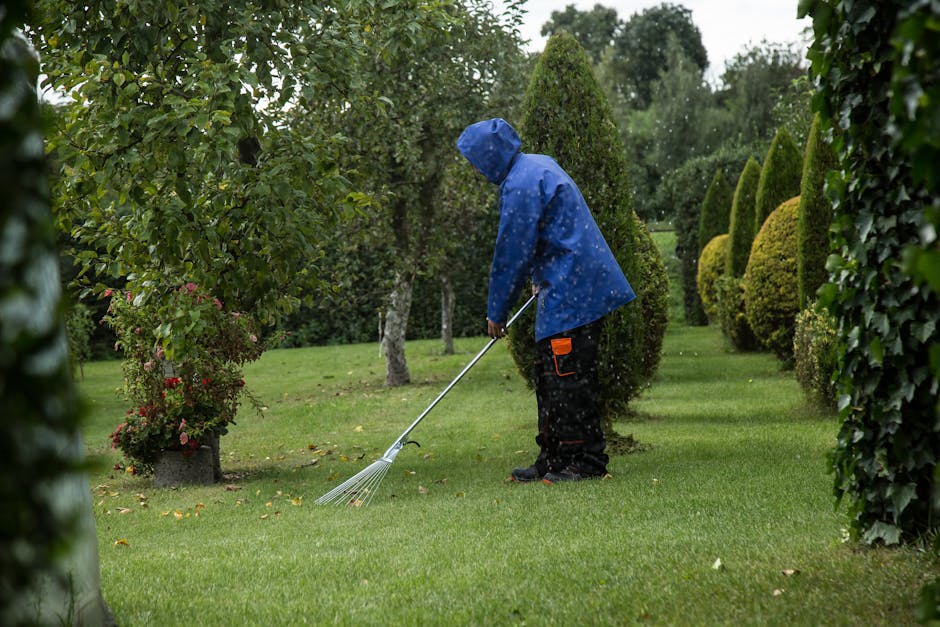
Why Licensed insured gardeners in St Johns Wood what to check Matters
Hiring a gardener is not just about finding someone who can trim a hedge or cut a lawn. In a place like St John's Wood, where gardens can include compact courtyards, mature planting, ornamental borders, stonework, decking, and privacy screens, the risks are a bit wider than people expect. A mower can nick a cable. A ladder can slip. A tree branch can fall in the wrong direction. It happens.
That is why licence, insurance, and safety checks matter. They are not paperwork for paperwork's sake. They tell you whether the gardener runs a proper business, whether they are prepared for accidents, and whether they take your property seriously. A professional who has nothing to hide should be comfortable answering direct questions.
It also matters for peace of mind. If you have a period property, shared access, pets, children, or expensive hard landscaping, you want someone who understands how to work carefully. The best gardeners do not just work hard; they work cleanly, safely, and with a bit of judgement. That is the bit people forget.
Quick expert summary: check identity, business details, public liability cover, safety practices, written scope, and how the gardener handles damage or complaints. If those basics are vague, keep looking.
How Licensed insured gardeners in St Johns Wood what to check Works
The process is simpler than it sounds. You are basically doing a short due-diligence check before you hand over access to your garden, driveway, side passage, or rear gate. A good gardener should be able to provide clear answers without getting flustered.
Start with the basics: who are they, what do they do, and how are they insured? Then move into the practical bits: what exactly is included, what equipment will they bring, how will they protect surfaces, and what happens if something goes wrong?
For more specialist work, the checks should go deeper. Tree work, heavy hedge reduction, fence installation, or extensive landscaping can involve different risks and different skill sets. If a gardener says they do everything, that is not automatically a red flag. But it is a prompt to ask how they manage each type of job and whether they have the right cover and experience for it.
Local homeowners often start with a simple maintenance task, then add extras later. That makes it even more important to verify the relationship early. A tidy first visit is nice. A tidy first visit that is also properly insured is better.
Key Benefits and Practical Advantages
Checking credentials before booking a gardener gives you more than basic reassurance. It improves the whole experience from the first quote to the final tidy-up.
- Less risk of damage: good insurance and careful working practices reduce the chance of disputes after an accident.
- Clearer expectations: written scope, pricing, and timings help avoid the "I thought that was included" problem.
- Better workmanship: professionals who keep records and insurance tend to be more organised on site too.
- Safer garden access: especially useful if the job involves tools, ladders, power equipment, or wet surfaces.
- Stronger accountability: if there is a complaint, complaint procedures and proper contact details matter a lot.
- Long-term value: a well-maintained garden needs fewer expensive fixes later. Simple, really.
If you are comparing options like routine garden maintenance in St John's Wood or a one-off tidy-up, it helps to think beyond the lowest quote. Cheap can be fine. Cheap and vague is another matter entirely.
There is also a surprisingly practical benefit: a trustworthy gardener is easier to work with. They will tell you when a job needs a second visit, when weather may delay cutting, or when a plant should be left alone for a season. That sort of honesty saves you from unnecessary work.
Who This Is For and When It Makes Sense
This advice is useful for homeowners, landlords, tenants with garden responsibilities, managing agents, and anyone looking after a private outdoor space in St John's Wood. It is especially relevant if the garden is more than a simple patch of grass.
You should be extra careful if you have:
- mature trees or overgrown hedges
- fencing, decking, or patio surfaces that could be damaged
- shared access with neighbours
- pets or children using the space
- plants you care about, not just a bit of lawn
- regular visits planned rather than one-off work
It also makes sense when you are planning something seasonal, such as preparing for winter, refreshing borders in spring, or tackling a garden makeover. A small job can expose weak vetting just as quickly as a big one. Sometimes quicker, if I am honest.
For people starting with a broader service, pages like gardening services in St John's Wood and lawn care in St John's Wood are good examples of the kind of service categories that should still be backed by proper cover and clear working practices.
Step-by-Step Guidance
- Confirm the business identity. Ask for the trading name, contact details, and who will actually attend the job. A proper business should be easy to identify.
- Ask what insurance they hold. Public liability insurance is the big one most homeowners want to hear about. If they use ladders, power tools, or carry out heavier work, ask whether the cover matches the type of work being done.
- Check whether they can explain their work safely. A professional should be able to talk through how they avoid damage to paving, walls, flower beds, and shared paths.
- Request a written quote or scope. Not a casual text with a round number, but a clear description of what is included, what is extra, and whether waste removal is part of the price.
- Ask about specialist tasks. For hedge work, tree work, fencing, or decking, make sure the person has the right experience for that particular task rather than just general gardening confidence.
- Look at communication style. Do they reply clearly? Do they turn up when expected? Do they ask sensible questions about access, gates, water, parking, or pets?
- Read the small-print pages. A trustworthy business usually has clear terms, privacy information, payment guidance, and a process for complaints. That is a good sign, not admin fluff.
A practical way to think about it: if a gardener is comfortable with all of the above, they are likely organised enough to be trusted with your garden. If they dodge two or three questions, that is usually your answer.
If you are comparing a one-off clearance with something more regular, the service angle matters too. A lighter visit may suit lawn mowing in St John's Wood, while more involved jobs may need landscaping support in St John's Wood or even tree surgery in St John's Wood. Each should be assessed on its own merits.
Expert Tips for Better Results
In our experience, the best outcomes come from asking a few careful questions before the first spade hits the soil. You do not need a legal handbook. You just need a sensible eye.
- Ask how they handle accidental damage. Not because you expect it, but because the answer tells you a lot about how they think.
- Check whether they protect surfaces. Good gardeners often lay tools carefully, move equipment in stages, and avoid dragging heavy items across paving.
- Match the gardener to the task. A brilliant lawn specialist is not automatically the best choice for detailed planting or a fencing job.
- Request photos of similar work. If they have them, great. If not, do not panic. But if every photo is blurry and weirdly cropped, hmm.
- Be honest about access and constraints. Narrow side returns, awkward steps, or neighbour parking can affect the job more than people think.
- Plan for the season. Winter work, windy conditions, and wet ground all change how a job should be carried out.
One simple but useful habit: keep the first quote, the agreed scope, and any follow-up messages together. If you ever need to refer back, you will be glad you did. Tiny admin win, big sanity saver.
For gardens with screening or privacy planting, it can also help to read up on quick-growing hedge ideas for privacy and hedge design planning so you know what a sensible brief looks like before work begins.

Common Mistakes to Avoid
A lot of people only ask about insurance after something has gone wrong. That is the classic mistake. Another is assuming that a friendly tone equals professional setup. Most of the time it does not.
- Choosing purely on price: the cheapest quote can become the most expensive if the work is rushed or uninsured.
- Not checking what is excluded: waste removal, plant supply, soil prep, and remedial work are often separate.
- Assuming all gardening is the same: mowing, pruning, hedge reduction, planting, and tree work have different risk profiles.
- Skipping written confirmation: verbal agreements are easy to misremember once the weather turns and schedules shift.
- Ignoring complaint or policy pages: these pages can tell you a lot about whether the business is structured or just winging it.
- Forgetting about access and neighbours: in London, that small detail can become the whole job.
There is also the subtle mistake of under-briefing the gardener. If you have delicate borders, hidden irrigation, or a pet run, say so. They cannot read minds. Shame, really.
Tools, Resources and Recommendations
You do not need specialist software to vet a gardener, but a few simple tools help:
- A written checklist for insurance, quote details, scope, and access notes.
- Your phone camera to photograph the garden before work starts, especially if there are fragile surfaces or existing damage.
- Notes app or email trail to keep decisions in one place.
- Basic garden plan showing problem areas, desired outcomes, and no-go zones.
It also helps to understand the service menu a local business offers. For example, if you need seasonal tidy-ups, regular visits, or a broader maintenance contract, you may want to look at garden maintenance support. If the job includes outdoor surfaces, patio cleaning in St John's Wood may be relevant as part of the brief. For boundary work, fencing in St John's Wood is another area where insurance and workmanship both matter.
For design-minded projects, it is worth reading around too. A good starting point is starting a garden makeover. It helps you think in terms of outcomes, not just tasks.
Law, Compliance, Standards, or Best Practice
Without pretending every garden job is heavily regulated, there are still sensible UK best-practice expectations to keep in mind. If a gardener uses powered equipment, ladders, chemicals, or undertakes more complex work, they should be able to explain how they work safely and responsibly. If they are running a legitimate business, they should also have policies or procedures that show they take safety and customer handling seriously.
Public liability insurance is commonly asked for by homeowners because it helps protect against accidental damage or injury claims linked to the work. For specialist tasks like tree work, it is reasonable to ask how they assess risk, what their insurance covers, and whether the job falls within their experience. If a business has a health and safety policy, that is usually a positive sign, especially when the job includes access issues, manual handling, or tools in a tight space.
You may also want to see clear policies on payments, privacy, cookies, accessibility, complaints, and modern slavery. That may sound like a lot for gardening, but it really just tells you the business is properly set up. A company that handles the admin well often handles the garden well too. Not always, but often enough to matter.
For peace of mind, it can be useful to review pages such as insurance and safety and health and safety policy. If payment arrangements matter to you, payment and security is worth a look as well.
Options, Methods, or Comparison Table
Not every gardener-finding method gives you the same level of confidence. Here is a simple comparison to help you decide what is worth doing.
| Check method | What it tells you | Best use | Limitations |
|---|---|---|---|
| Quick phone call | Basic communication and responsiveness | First contact and availability | Easy to miss details if you do not take notes |
| Written quote | Scope, inclusions, exclusions, and price clarity | Any paid job, especially larger ones | Only useful if it is actually specific |
| Insurance check | Risk cover and professional responsibility | All on-site work | Does not prove skill on its own |
| Site visit | Whether the gardener understands the garden in context | Complex gardens and larger projects | Takes more time to arrange |
| Policy review | Business maturity and complaint handling | Longer-term service relationships | Can feel dull, but it matters |
To be fair, the best approach is usually a mix of all five. A tidy phone call, a proper written quote, and a sensible insurance check will filter out most of the risky options before they get near your roses.
Case Study or Real-World Example
A homeowner in St John's Wood might call for what seems like a straightforward job: trim the hedge, clear the borders, and sweep the patio. During the quote visit, the gardener notices a cracked paving edge, low-hanging branches near a fence, and a narrow route to the rear garden with a step down.
Instead of giving a rushed price, the gardener explains how they will move equipment safely, which areas need protection, and what will be left alone until the owner approves. They also confirm insurance, note the access issue, and send a written summary afterwards. That sounds very ordinary, and that is exactly the point. Ordinary professionalism is what keeps little jobs from turning into irritating stories.
Now compare that with a gardener who says, "Don't worry, mate, we'll sort it," but cannot tell you what happens if a slab cracks or what type of cover they hold. The second version might still do decent work, maybe. But you are taking a gamble on your time, your garden, and your nerves.
In one real-world sense, the difference often shows most after the job. The professional leaves the gate shut, the bins tidy, the surfaces clean, and the customer slightly relieved. No drama. Lovely.
Practical Checklist
Use this before you book.
- Have I confirmed the gardener's trading name and contact details?
- Have I asked what insurance they hold and what type of work it covers?
- Have I received a clear written quote or scope of work?
- Do I know what is included and what costs extra?
- Has the gardener explained how they will protect plants, paving, fences, and paths?
- Do they have relevant experience for the actual job, not just general gardening?
- Have I checked how they handle complaints or damage concerns?
- Are payment terms and timing clear?
- Have I shared access details, parking limits, pets, and any fragile features?
- Do I feel the communication is calm, direct, and professional?
If you can tick most of those with confidence, you are in much better shape than the average quick-hire customer. And honestly, that is half the battle.
Conclusion
When you are comparing Licensed insured gardeners in St Johns Wood what to check, the goal is not to make the process complicated. It is to make it sensible. A trusted gardener should be easy to identify, straightforward about insurance, clear about scope, and careful around your property.
In a local market where many people can sound convincing, the real advantage comes from checking the practical details before work begins. Ask the awkward question. Read the small print. Notice how they communicate. Those little signals tell you far more than a polished sales line ever will.
If you are ready to move from research to action, choose a gardener who can explain their service, their cover, and their approach without fuss. That is the kind of partnership that makes a garden feel looked after, not just worked on. And that feeling, oddly enough, is worth a lot.
Get a free quote today and see how much you can save.

Melvin, with his expertise in gardening, is a proficient writer who has helped thousands of customers with their gardening requirements. His focus extends to various topics related to gardening and landscaping.