


St Johns Wood gardeners guide to garden care on Abbey Road
Posted on 10/10/2026
If you live near Abbey Road, you already know the gardens have a life of their own. One day it's tidy borders and clipped hedges; the next, wind-battered shrubs, dusty leaves, and a lawn that looks tired before you've had your first coffee. This St Johns Wood gardeners guide to garden care on Abbey Road is designed to help you stay ahead of that cycle with clear, practical advice that actually fits local conditions. Whether you're looking after a compact town garden, a frontage that needs smart presentation, or a leafy outdoor space that has to pull double duty as a retreat, the right maintenance approach makes all the difference.
Truth be told, garden care in St John's Wood is rarely just about plants. It's about keeping everything balanced: privacy, kerb appeal, weather resilience, safe access, and a space that still feels calm rather than fussy. Let's make it simpler.
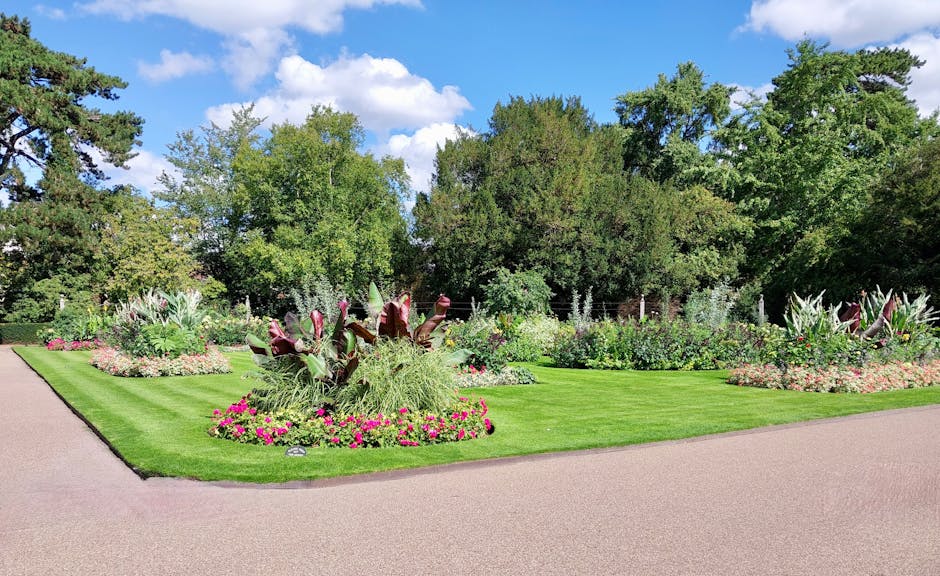
Why St Johns Wood gardeners guide to garden care on Abbey Road Matters
Abbey Road sits in a part of London where outdoor space is precious. Gardens here are often smaller than people would like, more visible than they expect, and more exposed to traffic dust, shade, reflected heat, and occasional gusts than a suburban plot. That means ordinary garden jobs can't always be handled in a generic way. A border that looks fine elsewhere may struggle here. A hedge that grows perfectly in a quiet village road may become ragged along a busier stretch. And a lawn that seems low-maintenance can quickly become patchy if it isn't fed, aerated, and mown with some consistency.
The real value of a local garden care approach is that it matches the setting. In practice, that means looking at light levels, root competition, drainage, privacy needs, and how the garden is used day to day. Is it a family space? A quiet retreat? A front garden that needs to look sharp all year? These details shape the work.
We see a lot of gardens where people have tried to force a "perfect" look using plants or features that simply don't suit the site. That usually leads to extra maintenance and a bit of disappointment. A smarter Abbey Road approach is to choose resilient planting, sensible hard landscaping, and a maintenance rhythm that keeps the space neat without turning it into a second job.
For readers who want a more structured starting point, the guidance in gardening basics for steady, manageable results is a useful companion, especially if you're learning how to maintain rather than redesign.
How St Johns Wood gardeners guide to garden care on Abbey Road Works
Think of garden care as a cycle rather than a one-off task. The best results come from observing, prioritising, and adjusting. On Abbey Road, that usually means working with the space in layers.
First layer: structure. This is the backbone of the garden: lawn, hedges, trees, fences, paths, decking, and any permanent planting. If these are out of shape, the whole garden feels untidy even if the pots are immaculate. A strong structure also makes the garden easier to maintain week after week.
Second layer: seasonal planting. Bedding, perennials, shrubs, climbers, herbs, and container displays add colour and character. They are the parts that change most through the year, so they need a little more attention.
Third layer: use and comfort. This covers seating, safe walkways, play areas, privacy, and how you actually move through the space. Garden care is not just plant care. A clean patio, for example, can instantly change how a garden feels underfoot and in the mind.
Fourth layer: risk management. Ivy, wind damage, pests, overgrowth, slippery surfaces, and poor drainage can all undermine a lovely garden. Catching those issues early saves time and money later. If ivy has taken hold on walls or fences, it can be worth reviewing how to remove ivy properly without causing avoidable damage.
The method is simple enough, though not always easy: inspect, prune, feed, clean, repair, repeat. That rhythm is what keeps a garden looking cared for rather than merely survived.
Key Benefits and Practical Advantages
Good garden care on Abbey Road brings benefits that go beyond appearance. Yes, a neat garden looks better from the pavement, but there's more going on than that.
- Better first impressions: Front gardens and visible boundaries shape how your home feels before anyone steps inside.
- Healthier plants: Regular care reduces stress, disease spread, and the kind of overgrowth that hides problems.
- More usable space: A well-kept garden is easier to sit in, walk through, and enjoy on busy weekdays.
- Lower long-term effort: Small, regular interventions usually beat occasional big clear-outs. Every time.
- Safer access: Tidier paths, trimmed growth, and cleaner surfaces reduce slips and awkward obstacles.
- Better privacy: Thoughtful hedging and climbers can soften overlooked spaces without making the garden feel boxed in.
There's also a practical property value angle, though it's best not to oversell that. In real life, people notice a tidy, healthy outdoor space. They notice the difference between a garden that feels cared for and one that looks neglected after a fortnight of bad weather.
For privacy-led planting, the advice in quick-growing hedge ideas for screening and softness can help you choose solutions that feel natural rather than overbearing.
Who This Is For and When It Makes Sense
This guide is useful for several kinds of Abbey Road and wider St John's Wood property owners:
- Busy homeowners who want the garden looking tidy without losing whole weekends to maintenance.
- Landlords and managing agents who need outdoor spaces kept presentable and safe between tenancies.
- Families who need practical, durable planting and space that can handle everyday use.
- Garden enthusiasts who enjoy the work but want to avoid common mistakes and wasted effort.
- People recovering a neglected garden after a long period of patchy upkeep or overgrowth.
It also makes sense if you're dealing with one specific recurring issue. Perhaps the lawn keeps thinning out near shade. Maybe the hedge is too high and starts feeling unkind to neighbouring light. Or the patio has turned into a slippery, mossy patch that nobody wants to step on in winter. These are all very normal reasons to rethink maintenance.
If the issue is broader and you're thinking about a fresh start, planning a garden makeover the right way can be a good route before you begin spending on plants or materials.
Step-by-Step Guidance
1. Start with a proper walk-through
Walk the garden slowly. Morning light is best if you can manage it, because it shows dampness, shade patterns, and tired planting more clearly. Look at what is actually happening, not what you hoped was happening. Is one side of the border collapsing? Is there moss building up on the patio? Are leaves collecting where water drains poorly? Jot it down. Don't trust memory; gardens are sneaky like that.
2. Separate the urgent from the cosmetic
Not every issue needs action today. Broken fencing, blocked drainage, or a tree limb rubbing against a wall deserves priority. Decorative reshaping can wait until the essentials are stable. This one step saves a lot of money and a fair amount of frustration.
3. Tackle structure before detail
Trim hedges, clear weeds from edges, correct lawn issues, and remove dead or congested growth. Then move to the details: deadheading, edging, re-potting, and tidying containers. It's much easier to refresh a space once the bones are in order.
4. Improve soil where plants are struggling
Soil is often ignored until a plant starts sulking. In London gardens, compacted soil, low organic matter, and shallow root zones are common. Add compost, mulch, or other appropriate organic matter where suitable, and avoid overworking wet soil. If you want a deeper look at the basics of feeding tired ground, the soil enrichment guide is worth a read.
5. Reassess planting for the site
If a plant keeps failing in the same place, the problem may not be your care. It may be the choice of plant. Shade, wind, reflected heat, and root competition all matter. Sometimes the best decision is to swap a difficult plant for one that performs better and needs less rescuing. That's not defeat. That's good gardening.
6. Lock in a maintenance rhythm
Weekly, monthly, and seasonal jobs should be separated out. For example, weekly might cover light mowing, deadheading, and litter pickup. Monthly might include hedge shaping, pruning checks, and patio cleaning. Seasonal work can focus on feeding, planting, winter protection, and tree inspection.
7. Review the garden from the outside in
Step back to the pavement or front edge and look again. Does the space read clearly? Is there one area that pulls the eye in a bad way? This outside-in view is useful because it catches the things we stop noticing once we've looked at a garden too often. Happens to everyone.
Expert Tips for Better Results
A few habits make a surprising difference in local garden care.
- Prune a little and often. Large, infrequent cuts tend to create awkward regrowth and more waste.
- Use mulch where appropriate. It helps suppress weeds, retain moisture, and make beds look finished.
- Choose layered planting. Ground cover, shrubs, and climbers can create depth without making the garden feel crowded.
- Work with shade rather than against it. Many Abbey Road gardens have areas that suit ferns, evergreen climbers, or shade-tolerant structure planting.
- Keep tools sharp and clean. It sounds boring, but it really matters for neat cuts and healthier plants.
- Don't ignore vertical space. In a smaller London garden, walls and fences can do a lot of visual work.
For shady fences or blank walls, the right climbers can be transformative. The article on evergreen climbers for darker spots is a handy companion if you want year-round structure with less bare space.
And if you're trying to stay tidy without endless clipping, hedging design matters more than people think. A well-shaped hedge is easier to maintain than a badly chosen one, full stop. For more on that, see hedge design ideas that actually work in practice.
One more thing: don't be shy about mixing hard and soft landscaping. A clean path, a decent edge, and a few strong plants can look better than a crowded border. Sometimes less really is more, even if gardeners don't always like hearing that.
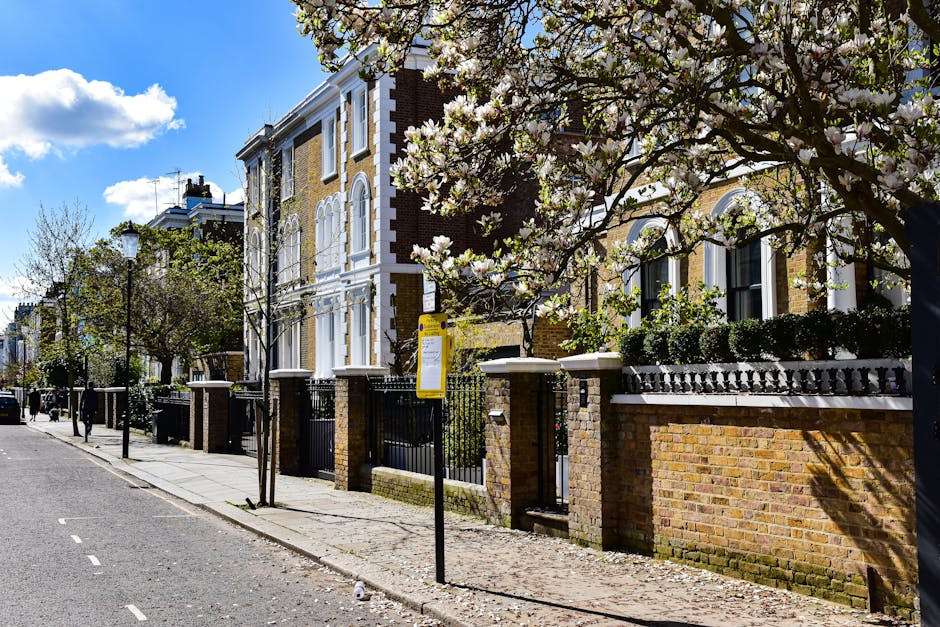
Common Mistakes to Avoid
Most garden problems on Abbey Road don't start as disasters. They begin as small oversights that keep repeating. Here are the big ones.
- Overplanting a small space: It looks good for about three weeks, then becomes crowded and hard to maintain.
- Ignoring drainage: Waterlogged corners can rot roots and damage paving.
- Cutting hedges at the wrong time or too hard: This can leave gaps and stress the plant.
- Letting ivy or climbers run unchecked: They can smother features and create hidden damage.
- Using the wrong lawn care routine: A lawn needs the right mowing height, feeding, and seasonal attention.
- Only reacting when things look bad: By then, the fix is often larger and more expensive than it needed to be.
There's also a common mindset mistake: treating every part of the garden as if it should be equally high-maintenance. It shouldn't. A smart garden balances focal areas with lower-effort zones. That's where ground cover, mulch, and good layout planning really pay off. If you're weighing planting choices, ground cover options suited to UK gardens can reduce weeding and help hold things together.
Tools, Resources and Recommendations
You don't need a van full of gear to keep an Abbey Road garden in shape. You do need the right basics.
| Task | Useful tools or materials | Why it helps |
|---|---|---|
| General tidy-up | Gloves, secateurs, hand fork, rake | Fast, precise clearing without damaging plants |
| Lawn care | Mower, edging tool, lawn feed, aerator | Improves shape, health, and surface consistency |
| Weed control | Weeding knife, hoe, mulch, ground cover | Stops weeds from taking over borders and paths |
| Pruning | Sharp loppers, pruners, saw for larger stems | Cleaner cuts and less plant stress |
| Hard surface care | Brush, pressure washer used carefully, patio cleaner | Reduces algae, moss, and slip risk |
| Seasonal protection | Mulch, fleece, canes, ties | Helps plants survive wind and colder weather |
If you're building your kit from scratch, this essentials guide for gardeners' tools and kit is a sensible starting point. For a more budget-conscious approach, these low-maintenance garden ideas may also help you reduce future workload rather than just buy more equipment.
Where larger jobs are involved, it's often more efficient to combine tasks. For example, hedge trimming, lawn mowing, and border clearing in the same visit can leave the whole garden visibly transformed rather than partially improved. There's an obvious logic to that, but people still split them up more than they need to.
Law, Compliance, Standards, or Best Practice
Garden care can touch on safety, neighbour relations, waste handling, and property boundaries, so a bit of care is wise. This is not the place for legal drama, but a few best practices help keep things smooth.
- Be careful with overhanging growth: Trimming your own side is common, but avoid creating disputes by cutting across boundaries without agreement.
- Check tree work sensibly: Larger trees or protected trees may need extra caution before pruning or removal.
- Use safe working methods: Ladders, ladders on uneven ground, and power tools deserve respect. No heroics.
- Dispose of green waste properly: Compost what you can and handle the rest responsibly.
- Think about access and slip hazards: Especially around patios, decks, and shaded paths that hold moisture.
For bigger works, especially when heights, machinery, or structural elements are involved, it is sensible to prioritise contractors who work to clear safety processes and carry appropriate insurance. If you want to understand the broader approach, the site's insurance and safety information and health and safety policy are useful reference points. They're not flashy pages, but they matter.
On the customer side, it also helps to know how quotes, terms, and complaints are handled before work begins. That way, everyone starts on the same page, which is usually where the best jobs begin.
Options, Methods, or Comparison Table
Not every garden needs the same kind of care. Here's a straightforward comparison of common approaches.
| Method | Best for | Strengths | Trade-offs |
|---|---|---|---|
| DIY upkeep | Small gardens, confident gardeners, light maintenance | Flexible, personal, cost-conscious | Can drift if time is tight; harder to manage larger jobs |
| Scheduled maintenance | Busy households and visible front gardens | Consistent results, less stress, better presentation | Needs planning and regular commitment |
| Seasonal overhaul | Neglected gardens or major refreshes | Big transformation, clears deep-rooted issues | Can be more disruptive and costly upfront |
| Targeted specialist work | Hedges, trees, lawns, patios, fencing, landscaping | Efficient expertise on problem areas | May need coordination across several tasks |
In many Abbey Road gardens, the best answer is a mix: routine DIY tidying for smaller jobs, with specialist help for heavier work or recurring problem areas. That's especially true where lawns, hedges, and trees all compete for attention at once.
Case Study or Real-World Example
A typical Abbey Road-style garden might be a narrow rear space with a patchy lawn, a fence line softened by old climbers, and a paved area that has gone dull with algae and leaf staining. Nothing dramatic. Just the sort of space that quietly slips from "fine" to "a bit of a mess" over a few seasons.
In one practical refresh, the order of work would usually be:
- Clear the space and remove dead growth.
- Inspect the hedge line, fence panels, and any overgrown climbers.
- Trim back the hedge to restore shape and light.
- Treat the patio for moss and clean the surface.
- Aerate and feed the lawn, then patch weak areas.
- Replace tired planting with lower-maintenance shrubs or ground cover.
- Add mulch and re-edge borders so the space looks finished.
The result is usually less about dramatic reinvention and more about restoring order. And that's often enough. The garden becomes easier to look after, easier to sit in, and much more pleasant to see from the kitchen window on a wet Tuesday afternoon, which counts for a lot in London.
For help with tidy borders and privacy structure, many gardens benefit from a combination of safe, family-friendly layout ideas and practical planting. If you want the space to feel calmer rather than busier, simple zen-inspired touches can also work surprisingly well in compact urban plots.
Practical Checklist
Use this when you want to get the garden back under control without overthinking it.
- Check hedges for shape, height, and dead sections.
- Remove weeds from borders, paving joints, and fence lines.
- Inspect lawn condition for bare patches, moss, and compaction.
- Clear leaves and debris from corners, drains, and seating areas.
- Review any climbers or ivy for unwanted spread.
- Look for loose fence panels, damaged posts, or unstable edging.
- Clean patios, decking, and paths where algae or dirt has built up.
- Water containers and new planting properly, not just quickly.
- Add compost or mulch to tired beds where suitable.
- Make a short list of jobs for next month so problems don't stack up.
Quick expert summary: If you want a better-looking Abbey Road garden with less effort, focus on structure first, then soil, then planting detail. That order is simple, but it works.
Get a free quote today and see how much you can save.
Conclusion
Good garden care on Abbey Road is really about making sensible choices and keeping a steady rhythm. You do not need a perfect garden, and frankly, perfect gardens can feel a bit cold anyway. What you do need is a space that suits the property, handles the local conditions, and stays manageable through the year.
Once you start seeing the garden as a living system rather than a list of chores, everything becomes clearer. The hedge, the lawn, the patio, the borders, the trees, even the awkward shady corner all begin to make sense together. That is where a well-run outdoor space comes from. Not luck. Just good habits, the right priorities, and a little consistency.
And if you've been putting it off, fair enough. Most people do. But the good news is that garden recovery is rarely as complicated as it first looks. One tidy pass can change the feel of the whole place.
Keep it simple, keep it regular, and let the space breathe a little.


Melvin, with his expertise in gardening, is a proficient writer who has helped thousands of customers with their gardening requirements. His focus extends to various topics related to gardening and landscaping.