


Westminster Council garden waste rules explained for gardeners
Posted on 11/11/2026
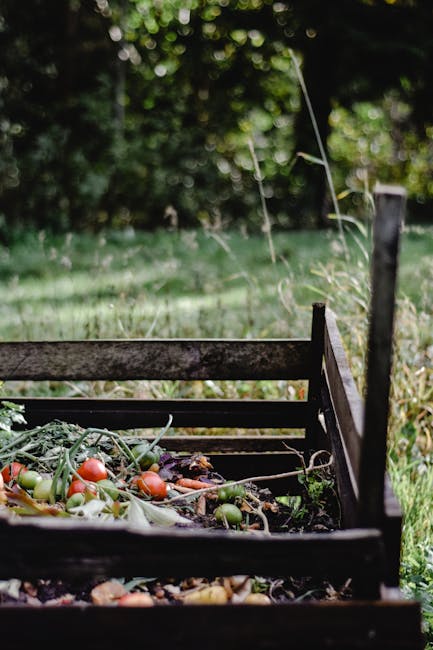
If you garden in Westminster, getting the waste side right matters just as much as pruning, planting, or mowing. The rules around green waste can be a bit fiddly at first glance, especially if you are clearing a border after a wet weekend, cutting back hedges, or doing a full tidy-up before guests arrive. This guide on Westminster Council garden waste rules explained for gardeners breaks everything down in plain English so you can handle clippings, leaves, branches, and other garden debris without second-guessing yourself.
The aim here is simple: help you stay compliant, keep your work efficient, and avoid those annoying mistakes that lead to rejected collections or extra trips. And to be fair, most gardeners only want one thing from waste rules - a clear answer and a clean garden. Let's get into it.
Why Westminster Council garden waste rules explained for gardeners Matters
Garden waste seems harmless enough. It is biodegradable, after all. But councils treat it carefully because the wrong material in the wrong bin can contaminate recycling streams, create collection problems, or simply mean your waste does not get taken away. If you work on domestic gardens, shared courtyards, or even a small city plot, knowing the local rules saves time and reduces avoidable friction.
In Westminster, the practical issue is not just what you are throwing away, but how you present it for collection, whether it belongs with garden waste at all, and what should be kept separate. That matters especially for gardeners who generate mixed waste: a little soil here, woody offcuts there, maybe some pots, some ties, and - if you are like most people - at least one mysterious pile of roots that no one wants to touch twice.
Getting this right also helps you plan better garden work. For example, if you know a hedge trim creates bulkier material than a light deadheading session, you can schedule disposal in advance. That is where good habits start. If you manage larger maintenance jobs, it can be worth reading a broader guide like the craft of creating hedge designs or forever removing ivy, because those jobs often generate the very waste that trips people up.
Expert summary: treat garden waste as a collection and sorting task, not just a tidy-up job. If you separate material correctly before it leaves the garden, everything downstream becomes easier.
How Westminster Council garden waste rules explained for gardeners Works
The exact service arrangements can change over time, so the safest approach is to think in terms of principles rather than assumptions. Westminster's garden waste rules typically revolve around separating suitable green material from general household rubbish and presenting it in the form the council expects. In practice, that usually means keeping garden waste clean, free from contamination, and ready for the relevant collection method.
Here is the basic logic most gardeners need to follow:
- Only put in what qualifies as garden waste. Think grass cuttings, leaves, small branches, hedge clippings, weeds, and plant trimmings.
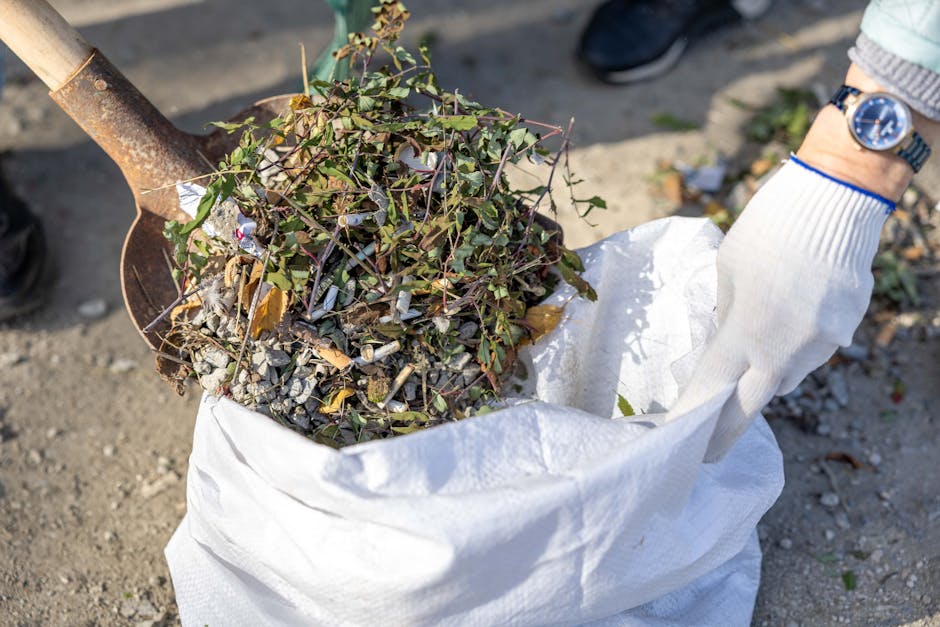
- Keep out contamination. Soil clods, stones, plastic plant labels, string, compost bags, and general household rubbish can cause problems.
- Use the correct container or presentation method. Councils usually specify how waste should be placed out for collection.
- Do not overload. Heavy or overfilled containers are harder to collect and more likely to be left behind.
For a working gardener, that means taking a few extra minutes after the job is done to sort material properly. It is not glamorous, but it does stop the old "why wasn't it collected?" conversation. If you are clearing weeds and preparing beds at the same time, the guidance in essential tools against weed encroachment and the soil enrichment story is handy too, because good waste management and good soil care often go together.
One important thing: garden waste is not the same as organic kitchen waste, and it is not a catch-all for anything green. A bag of prunings can be garden waste; a bag of old compost mixed with broken terracotta and plastic is another matter entirely.
A simple way to think about it
If it grew in the garden and is now being cut back, pulled out, or swept up, it may be garden waste. If it was manufactured, treated, or mixed with other rubbish, it probably is not. That rule of thumb will save you from a lot of mistakes.
Key Benefits and Practical Advantages
Following Westminster's garden waste rules is not just about avoiding a nuisance. Done properly, it makes the whole job smoother.
- Cleaner workflow: you finish a job knowing exactly where each type of waste goes.
- Fewer rejected collections: the right material, packed correctly, is more likely to be taken away without issue.
- Better garden hygiene: removing waste promptly reduces pests, mould, and messy build-up.
- More efficient scheduling: you can plan hedge cutting, lawn care, and border clearance in a more practical sequence.
- Less stress for clients: if you maintain gardens for others, compliant disposal is part of professional service.
There is also a quiet environmental benefit. Keeping garden waste separate supports better processing routes than dumping everything together. That is especially relevant if you are trying to garden in a more climate-aware way, a theme we explore further in gardening as a climate change defence mechanism and weather-resilient garden strategies.
And, honestly, there is something satisfying about a proper end-of-job reset. The beds are neat, the paths are clear, the air smells faintly of cut grass, and the waste is already organised. Small win, but still a win.
Who This Is For and When It Makes Sense
This guidance is useful for a few different people.
- Home gardeners who mow lawns, prune shrubs, and clear borders on weekends.
- Busy householders who want a simple routine for disposing of clippings without confusion.
- Landlords and property managers handling external maintenance on rented or managed homes.
- Professional gardeners who need reliable, repeatable systems for every visit.
- Landscape teams dealing with heavier waste from larger jobs such as hedge reductions or bed clearances.
It makes particular sense when you are doing seasonal work. Spring clear-ups, midsummer hedge trims, and autumn leaf fall all generate different types of waste. A small tidy can often be handled in one go, but a bigger job may need planning, collection capacity, or a separate disposal strategy.
If you are reshaping a space, this is also the moment where waste rules affect design choices. For example, vertical planting can reduce ground clutter, while low-maintenance planting can reduce how much material you generate in the first place. If that sounds useful, have a look at reviving urban spaces through vertical gardening or budget ideas to minimise garden work.
Step-by-Step Guidance
Here is a practical way to manage garden waste in Westminster without making life harder than it needs to be.
- Sort waste as you work. Keep green waste separate from plastic, metal, broken pots, general rubbish, and any treated timber.
- Break bulky material down. Long stems, hedge cuttings, and branches take up less space once cut to manageable lengths.
- Remove contamination early. Shake off excess soil, remove ties, and pick out stones or labels before bagging anything.
- Check what the collection service accepts. Do not assume all organic material is suitable. Some councils are stricter than others.
- Use the correct container or containerisation method. If your collection uses bags, bins, or another format, follow that precisely.
- Place it out correctly. Put the waste where collection crews can access it without obstruction.
- Keep an eye on weight. Wet grass and soil-heavy waste get surprisingly heavy, especially after rain.
- Repeat on a schedule. Small regular clearances are easier than one massive end-of-month scramble.
A useful example: after a hedge trim, separate soft clippings from thicker woody stems straight away. The soft material may be easy to deal with, while woody cuttings can need different handling. If you trim hedges often, the service page for hedge trimming can help frame how often these jobs crop up in real gardens.
One small habit makes a big difference: keep a wheelbarrow or tarpaulin nearby during the job. It sounds basic, but it reduces mess and makes sorting far less annoying. And yes, you will be glad of it when the wind picks up halfway through.
Expert Tips for Better Results
These are the little things that save time and reduce mistakes.
1. Deal with waste while it is still manageable
Fresh clippings are easier to sort than compacted, soggy piles left in a heap for two days. If you can process waste on the day, do it. If not, at least cover it.
2. Keep a "not garden waste" box
Have one container for things like labels, broken ties, plant pots, nails, and bits of plastic. That way, contamination does not sneak into green waste bags by accident.
3. Think seasonally
Autumn leaf fall, spring growth spurts, and winter pruning each create different disposal needs. A smarter calendar means fewer surprises.
4. Reduce waste at the source
Not every plant choice needs heavy pruning. Mixed planting, ground cover, and slower-growing structure can cut the amount of waste you generate. If that appeals, you may enjoy ground cover plant ideas or quick-growing hedges for privacy.
5. Use weather to your advantage
A dry day makes waste lighter and easier to move. A damp Sunday morning in London, with a chilly breeze and half-wet leaves, is a very different story. Plan for the weather if you can.
And here is a little truth from day-to-day gardening: most "waste problems" are really storage and sorting problems. Fix those, and the actual disposal side becomes much simpler. Bit boring, maybe, but true.
Common Mistakes to Avoid
The same avoidable issues come up again and again. If you dodge these, you are already ahead.
- Mixing garden waste with general household rubbish. This is the most common mistake and one of the easiest to avoid.
- Leaving soil attached in large clumps. Too much soil can turn a green-waste load into a contaminated one.
- Including plastic ties, bags, or labels. They may be tiny, but they matter.
- Overfilling containers. Heavy loads can be unsafe to move and may be rejected.
- Assuming all plant material is automatically accepted. Always check before disposing of unusual items.
- Letting waste sit too long. It starts to smell, compress, and attract pests. Nobody wants that.
Another one to watch: disposing of invasive growth without enough care. If you are clearing persistent ivy or trying to regain control of a boundary, the cut material may need extra attention so it does not spread. That is one reason our article on removing ivy properly is relevant here.
Also, do not forget access. A perfectly sorted bag is still a problem if the collection crew cannot reach it. It sounds obvious. People still forget it, though.
Tools, Resources and Recommendations
You do not need a huge kit to handle garden waste well, but a few tools make the process much easier.
- Tarpaulins: ideal for dragging waste to a single point and keeping paths tidy.
- Rake and hand fork: useful for collecting leaves, moss, and smaller debris.
- Secateurs or loppers: help reduce bulky stems into easier sections.
- Wheelbarrow or garden sack: useful for moving cuttings without repeated trips.
- Protective gloves: practical for thorny stems, rough bark, and hidden debris.
- Storage tubs or crates: good for separating reusable items from actual waste.
As a working routine, it also helps to keep your maintenance tasks connected. If you are carrying out broader garden work, the following pages can support the job from different angles: a DIY herb garden, garden seating ideas, and zen garden inspirations. They are not waste guides, strictly speaking, but they do help you plan spaces that are easier to maintain.
If you use a professional service, it is sensible to ask how waste is handled before the work starts. Clear pricing and sensible expectations prevent awkward surprises later. You can also read the company's pricing and quotes information and insurance and safety notes for extra reassurance.
Law, Compliance, Standards, or Best Practice
This is the section where careful wording matters. Local waste rules can change, and specific collection instructions may be updated by the council. So while gardeners should always follow Westminster's current guidance, the best-practice principles stay fairly stable:
- Separate waste properly. Keep garden material away from general waste and recyclable contamination.
- Only present acceptable material. If something is treated, manufactured, or heavily mixed, do not assume it belongs with green waste.
- Follow the collection format exactly. Whether the service uses bins, sacks, or another arrangement, use it as instructed.
- Keep public areas clear. Do not obstruct pavements, entrances, or shared access points.
- Work safely. Heavy bags, prickly branches, and awkward lifting all need sensible handling.
For gardeners and contractors, compliance is also part of professionalism. Good waste handling reflects on the quality of the whole job. It shows you understand not just the plants, but the process around them. That is the kind of detail clients notice, even if they never say it out loud.
If you operate as a service provider, you may also want to review company policies such as terms and conditions, privacy policy, and health and safety policy. Those do not replace council rules, of course, but they do support responsible working practices.
Options, Methods, or Comparison Table
Different gardens create different kinds of waste, so the best method depends on scale, frequency, and the material you are dealing with.
| Method | Best for | Pros | Watch out for |
|---|---|---|---|
| Regular council collection | Routine clippings, leaves, light pruning | Convenient, predictable, usually simplest for domestic gardens | Must follow exact accepted materials and presentation rules |
| On-site composting | Leaves, soft plant matter, small clippings | Reduces waste, supports soil health, cost-effective | Not suitable for woody material or contaminated waste |
| Bagging for later disposal | Jobs done over several days | Useful when work is phased | Can become heavy or awkward if left too long |
| Professional garden clearance | Large cut-backs, overgrown plots, hedge reductions | Fast, efficient, less hassle for the client | Needs clear agreement on waste handling and access |
For many households, the best approach is a blend. Compost some material, set aside the rest for collection, and use professional help for the larger jobs. That is often the calmest, least stressful route - which, let's face it, is what most people are after.
If you are weighing up broader work beyond waste disposal, pages like garden maintenance, lawn care, and landscaping can help you think about the bigger maintenance picture.
Case Study or Real-World Example
Picture a typical Westminster courtyard garden in early autumn. The hedge has had its annual trim, the lawn has dropped a surprising amount of clippings, and the borders are full of spent growth from summer containers. Nothing dramatic, but enough to create three separate piles before lunch.
The gardener starts by separating soft green cuttings from thicker woody stems. Plastic plant ties and old labels go into a non-green waste tub. Soil knocked out of root balls is kept minimal, because the aim is not to ship half the border away in a bag. By the end of the hour, the waste is split into neat groups instead of one messy heap.
What changed? Not the amount of waste, really. The difference was organisation. The job looked cleaner, the collection was easier to prepare, and there was less risk of the wrong material going into the wrong place. A simple system, but very effective.
That same approach works whether you are a homeowner doing a monthly tidy or a contractor finishing a more substantial visit. If your work often involves clipping-heavy jobs, you may also find lawn mowing and gardening services useful for understanding routine maintenance support.
Practical Checklist
- Separate garden waste from household rubbish.
- Remove plastic, labels, string, and other contamination.
- Break down bulky branches and long stems.
- Keep soil and stones out as much as possible.
- Use the correct container, bag, or presentation method.
- Do not overload containers with wet or heavy material.
- Leave waste where it can be collected safely and easily.
- Compost suitable material where practical.
- Plan bigger jobs around collection timing.
- Check current Westminster guidance before unusual disposals.
If you are not sure whether a load is ready, pause and sort again. That extra five minutes can save a rejected collection later. Honestly, it is usually worth the small delay.
Conclusion
Understanding Westminster Council garden waste rules is not complicated once you strip away the jargon. Keep green waste separate, avoid contamination, present it properly, and plan your garden jobs with disposal in mind. That is the heart of it.
For gardeners, the benefit is more than compliance. It means a tidier workflow, less hassle, and a more professional finish to every job. Whether you are maintaining a small courtyard, managing regular hedge trimming, or tackling a seasonal clear-up, the right waste routine keeps the whole garden operation calmer and cleaner.
And if you take one thing from this guide, let it be this: a good garden tidy is only really finished when the waste is handled well. The rest is just the part people can see from the window.
Get a free quote today and see how much you can save.

Melvin, with his expertise in gardening, is a proficient writer who has helped thousands of customers with their gardening requirements. His focus extends to various topics related to gardening and landscaping.